A New Generation of RSPS Map Editors Is Arriving
Something Is Changing in How RSPS Maps Look
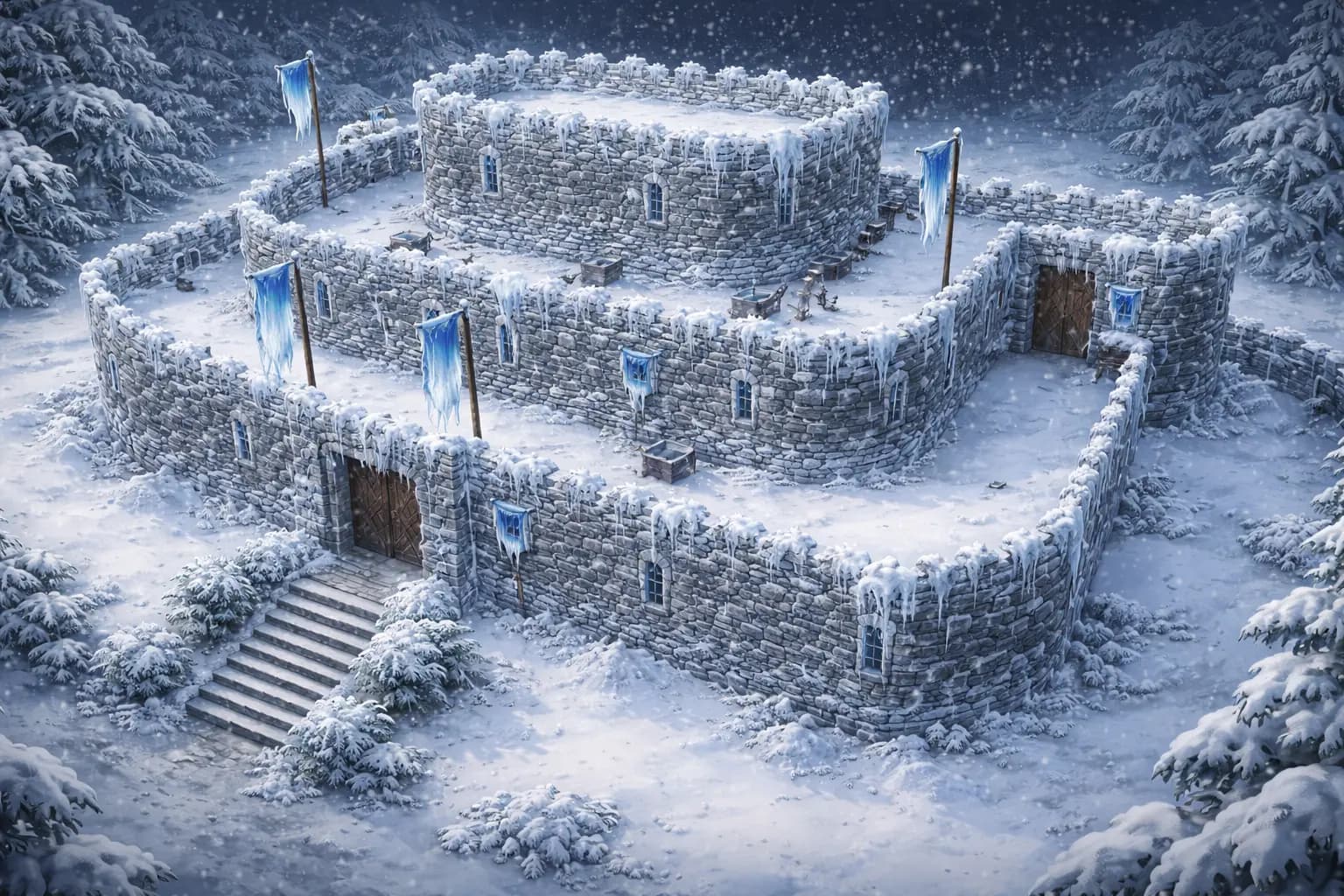
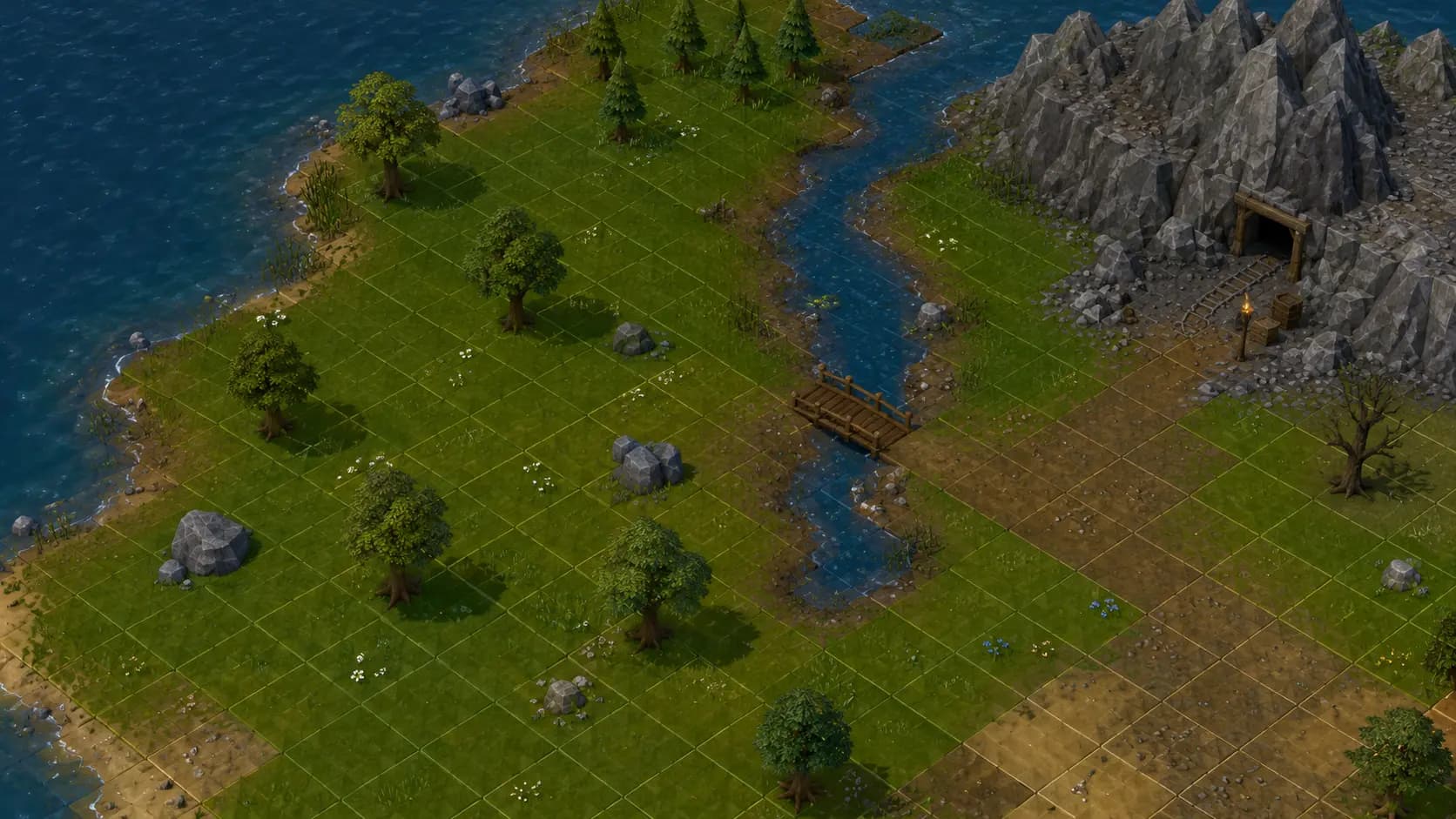
If you have been paying attention to server showcases and new launches lately, you may have noticed the maps are getting better. Not slightly better. Noticeably better. Custom areas that feel genuinely well designed, with terrain, lighting, and object placement that look closer to official Jagex quality than the rough custom maps the scene has often produced. Something has shifted in the tooling, and it is starting to show up in the worlds players actually walk through.
For most of the modern history of the scene, RSPS map making meant one tool above all others. RSPSi, the open source map editor that became the community standard, has been the workhorse behind countless custom areas for years. It was capable, it was accessible, and after being released under an open license it became the default that nearly everyone learned on. But the scene is beginning to move, and a new generation of map editors is emerging that promises to lift the visual quality of RSPS maps considerably. Understanding this shift, and why it might be happening now, is worth a closer look.
How RSPSi Became the Standard
To appreciate the change, you have to understand the tool that dominated the space for so long.
RSPSi earned its position because it solved a genuinely hard problem and then became freely available. Building a 3D map editor that can read a RuneScape cache, let you sculpt terrain, place objects, paint floors, and pack it all back into a working cache is a serious piece of software engineering. For a long time, good options were scarce, expensive, or both. When RSPSi arrived and eventually became open source, it gave the entire community a capable, accessible tool to work with. An enormous body of knowledge, tutorials, and workflow grew up around it. It became the thing everyone learned, the thing services were built on, and the assumed foundation for map making across the scene.
That dominance was a good thing. It democratized map making and let far more people create custom worlds than could have before. But dominance for that long also means the ceiling of what most maps looked like was, to a large degree, the ceiling of what that one tool and its typical workflow produced. When one editor defines how nearly everyone makes maps, the visual character of the whole scene tends to converge around what that editor makes easy.
Why a New Generation Is Emerging Now
The move toward newer, more capable editors is being driven by a few things converging at once, and the timing is not a coincidence.
The first is simply that tools evolve. RSPSi, for all its importance, was built years ago on older foundations. As with any long standing piece of software, there is room for newer tools built on more modern technology to do things the original could not, or to do them more smoothly, with better rendering, better workflows, and fewer limitations. The scene has spent years working within the constraints of the established tooling, and that accumulated experience naturally produces the desire and the knowledge to build something better.
The second is that the bar for what RSPS maps should look like has risen. As the top tier of servers has grown more technically ambitious across the board, the expectation for visual quality has climbed with it. Servers competing for players increasingly want maps that look genuinely impressive, not just functional. That demand creates pressure for tools that can deliver higher quality results, and pressure like that is exactly what motivates developers to build the next generation of editors.
The third factor, and the one generating the most discussion, is the role that recent advances in AI assisted development may be playing in all of this.
The AI Factor
It is worth being measured about this, because AI gets attached to every trend whether it belongs there or not. But there is a plausible and interesting connection between the recent leaps in AI assisted development and the emergence of better map editors.
Building sophisticated tooling like a map editor has always been gated by how much skilled development time it required. A capable 3D editor is a large, complex project, and historically only a small number of people in the scene had both the skill and the willingness to build one. This scarcity is part of why RSPSi remained dominant for so long. Few people were equipped to build a serious alternative.
AI assisted development has changed the economics of building complex software. Developers now have tools that help them write, debug, and architect code faster than before, which lowers the barrier to tackling ambitious projects. A map editor that might have required a rare combination of skill and enormous time investment becomes more achievable when a developer has AI assistance accelerating the work. This does not mean AI is building these editors on its own. It means the developers building them may be able to move faster, tackle harder problems, and produce more polished results than the same developers could have a few years ago.
If this is a real factor, and the timing certainly suggests it might be, then part of what we are seeing is the scene's tooling benefiting from the same broad acceleration in software development that is affecting technical fields everywhere. The people who always wanted to build better editors now have more leverage to actually do it. That would explain why the shift is happening now rather than years ago, when the desire for better tools existed but the means to build them were more limited.
What Better Editors Actually Change
The practical impact of better map editors flows directly into the experience players have on servers, even though players never touch the tools themselves.
A better editor makes it easier to produce higher quality maps, which means more servers can have genuinely impressive custom areas. It lowers the skill floor for producing good work and raises the ceiling for what is possible. A mapper using a more capable tool can create more detailed terrain, more natural looking environments, better object placement, and more visually coherent worlds, often faster than the older workflow allowed. The result is that the custom content players walk through starts to look better across the board.
This matters because maps are a huge part of what makes a server feel like its own place. A well designed custom home area, a striking boss arena, an immersive custom region, these are the things that give a server visual identity and make it memorable. When the tooling makes this kind of quality more achievable, more servers can have it, and the overall visual standard of the scene rises. The gap between a server with beautiful custom maps and one with rough generic ones becomes more visible, and the tools increasingly determine which side of that gap a server can reach.
The Transition Will Take Time
It is worth being realistic about the pace of this shift, because tooling transitions in the scene do not happen overnight.
RSPSi's dominance was built over years, and the knowledge, tutorials, workflows, and community support around it are deep. A new editor, however impressive, has to overcome that entrenchment. Developers have to learn it. The workflow knowledge has to accumulate. The community support has to grow. Even a clearly superior tool takes time to displace an established standard, because the established standard has inertia on its side. People know it, resources exist for it, and switching has a cost.
So the more likely near term reality is not that RSPSi vanishes overnight, but that the scene gradually diversifies. The newer editors will be adopted first by the ambitious mappers and the serious servers chasing the highest visual quality, the people most motivated to move to better tools. Over time, as the newer editors mature and the knowledge around them grows, adoption will widen. RSPSi will likely remain in use for a long while, especially for people already comfortable with it, while the new generation increasingly becomes the choice for those pushing the visual ceiling. The shift is a gradual raising of the standard rather than a sudden replacement.
What This Means for the Scene
The emergence of better map editors is a genuinely encouraging development, because it points at the scene's tooling improving in a way that directly benefits the quality of what players experience.
For years, the visual quality of RSPS maps was bounded in part by the tools available to make them. As those tools improve, that bound rises, and the whole scene has the opportunity to look better. This is the kind of foundational improvement that lifts everyone, not just the top servers. Better tools mean more mappers can produce good work, which means more servers can have quality maps, which means players encounter better looking worlds more often. Improvements at the tooling level ripple outward across the entire scene.
It is also a reminder that the scene continues to evolve technically in ways that are easy to miss if you are only watching the servers themselves. The tools, the editors, the underlying development infrastructure all keep advancing, and those advances quietly shape what the visible servers are capable of. A new wave of map editors is exactly this kind of behind the scenes progress, the sort of thing players benefit from without ever knowing the tool that made it possible.
Where to Look
If you want to see the servers already benefiting from higher quality map work, browsing the RSPS list is the most direct way to do it. The servers investing in their visual presentation, with impressive custom areas and well designed worlds, tend to be the same ones investing seriously in their development overall. As the new generation of editors spreads through the scene, the visual quality gap will become an increasingly clear signal of which servers are keeping up, and the rankings and reviews together will help you find the ones that look as good as they play.
The arrival of a new generation of map editors is one of those developments that will probably look, in hindsight, like a meaningful step forward for the scene. RSPSi served the community enormously well for years and made custom map making accessible to countless people. Now the tooling is advancing again, possibly accelerated by the same AI development boom reshaping software everywhere, and the maps are starting to show it. The worlds players explore are about to get better looking, and the tools quietly making that happen are worth appreciating even though almost no player will ever see them.
Find Your Next Server
Looking for a new RSPS to play? Browse our RSPS List to discover the best private servers, compare features, and find the perfect community for your playstyle.
More Articles You Might Enjoy
 RSPS
RSPSWhy New Player Onboarding Determines RSPS Server Survival
RSPS servers often lose players in the first hour. This deep analysis explains how onboarding, tutorials, clarity, and first impressions decide long term success.
January 6, 2026