RSPS Modeling Explained: Items, Objects, and Low-Poly Design
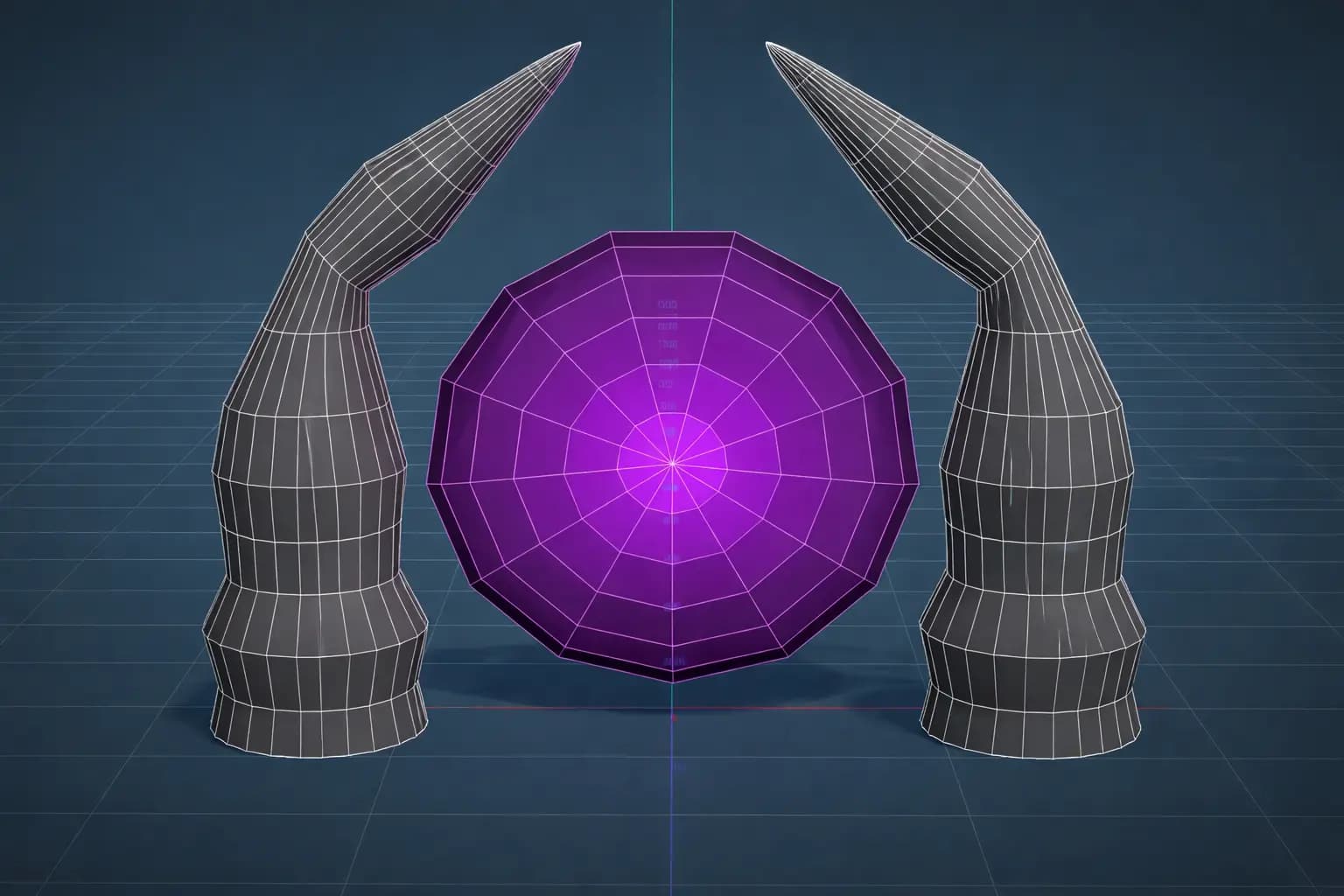
The role of modeling in RSPS is misunderstood
When players talk about RSPS development, they usually focus on combat, balance, or economy. Modeling is often treated as cosmetic. In reality, modeling is one of the most technically restrictive and revision-dependent parts of RSPS development.
Every item model, object, and NPC is constrained by:
-
the client revision
-
the rendering pipeline
-
animation and rigging rules
-
cache structure
-
performance limits
This is why modeling skill directly affects stability, compatibility, and long-term maintainability.
What RSPS modeling actually means
RSPS modeling is not modern game asset creation. It is reverse-engineered asset compatibility work.
A model must:
-
load correctly from the cache
-
respect vertex and face limits
-
use the correct texture formats
-
animate within revision-specific skeleton rules
-
render identically across camera angles and lighting
-
not break GPU batching or software rendering paths
If any of those fail, the result is invisible items, broken animations, crashes, or visual corruption.
Why Metasequoia became the classic RSPS modeling tool
Metasequoia is not popular because it is powerful. It is popular because it matches the RuneScape model format naturally.
True reasons it became dominant:
-
simple polygon manipulation
-
precise control over vertices and faces
-
predictable triangulation
-
easy export workflows compatible with RSPS converters
-
low overhead and fast iteration
Older RuneScape revisions rely heavily on flat-shaded, low-poly geometry, which Metasequoia handles cleanly without introducing hidden transformations.
Many legacy RSPS modeling pipelines were built around Metasequoia exporters, making it the safest tool for older clients.
Blender’s rise in modern RSPS workflows
Blender is now widely used, but not because RSPS clients changed. Blender became viable because conversion tooling improved, not because Blender fits RSPS natively.
Blender is used for:
-
sculpting base shapes
-
retopology into low-poly meshes
-
UV unwrapping
-
previewing animations
-
exporting intermediary formats
However, Blender models must almost always be:
-
simplified
-
re-triangulated
-
converted
-
validated
before they can safely enter an RSPS cache.
Direct Blender exports without cleanup often cause:
-
face orientation issues
-
shading artifacts
-
broken normals
-
animation jitter
This is why many experienced RSPS modelers still finish assets in Metasequoia, even if Blender is used earlier in the pipeline.
Low-poly is not a style choice in RSPS
Low-poly modeling in RSPS is a technical requirement, not an artistic preference.
Most RSPS clients:
-
rely on CPU-based rendering paths
-
batch geometry aggressively
-
assume small vertex counts
-
were designed for early 2000s hardware
High-poly assets:
-
increase tick-time rendering cost
-
cause animation desync
-
break camera clipping assumptions
-
expose lighting bugs
-
scale poorly with player count
Successful RSPS models prioritize:
-
clean silhouettes
-
minimal faces
-
efficient topology
-
consistent scale with vanilla assets
This is why the best custom RSPS items often look “simple” but feel authentic.
Why different RSPS revisions require different modeling rules
A model that works perfectly in one revision may completely break another.
Early revisions (317 era)
-
extremely strict vertex and face limits
-
minimal texture support
-
simpler animation systems
-
fragile lighting calculations
Models must be:
-
very low poly
-
flat shaded
-
carefully scaled
-
manually tested in multiple environments
Mid revisions (474–602 range)
-
improved animation handling
-
better texture support
-
more forgiving geometry limits
Still requires:
-
conservative poly counts
-
careful rigging
-
testing under combat and movement
Later OSRS-based revisions
-
expanded cache formats
-
better animation blending
-
improved GPU usage
But still constrained by:
-
legacy client architecture
-
backward compatibility assumptions
-
tick-based animation scheduling
Modern OSRS clients still reject many “normal” game assets.
Rigging differences across RSPS revisions
Rigging is where many RSPS modeling attempts fail.
RSPS rigs:
-
are not modern skeletal rigs
-
use fixed animation indices
-
rely on hardcoded bone expectations
-
assume specific vertex group layouts
A rigged model must:
-
match existing animation skeletons exactly
-
use correct joint indices
-
avoid extra bones
-
respect animation frame limits
Custom animations are possible, but they require:
-
client-side animation loaders
-
correct cache injection
-
strict synchronization with server events
This is why many RSPS servers reuse existing animations even for custom items.
Cache compatibility matters more than visuals
A model that looks good but breaks cache assumptions is unusable.
RSPS caches expect:
-
strict file ordering
-
correct archive references
-
valid model IDs
-
consistent dependency chains
A single broken model can:
-
crash the client
-
corrupt cache loading
-
cause invisible players
-
invalidate launcher updates
This is why professional RSPS developers treat modeling as infrastructure, not decoration.
Common myths about RSPS modeling
Myth: Blender replaced Metasequoia
Reality: Blender supplements it. Metasequoia still dominates final exports for older pipelines.
Myth: Higher poly looks better
Reality: Higher poly breaks performance and authenticity.
Myth: One model fits all revisions
Reality: Revision differences make this impossible without adaptation.
Myth: Modeling is easier than coding
Reality: Modeling mistakes can silently destroy stability.
Why RSPS modeling skill is rare
Good RSPS modelers must understand:
-
3D geometry
-
legacy rendering
-
cache formats
-
revision differences
-
animation systems
-
performance constraints
This intersection is small. That is why skilled RSPS modelers are rare and highly valued.
The future of RSPS modeling
Trends that are real:
-
Blender usage will continue to grow
-
tooling will improve conversion reliability
-
data-driven validation will catch bad models earlier
-
pipelines will become more automated
What will not change:
-
low-poly requirements
-
revision compatibility constraints
-
reliance on legacy assumptions
-
the need for deep technical understanding
RSPS modeling will never be “modern game art”. It is technical preservation combined with controlled creativity.
Why modeling quality shapes long-term RSPS success
Players may not consciously notice good models, but they feel them.
Good modeling:
-
preserves immersion
-
avoids visual bugs
-
prevents crashes
-
maintains trust
-
keeps the world believable
Bad modeling:
-
exposes custom content immediately
-
breaks combat readability
-
causes animation jank
-
erodes credibility
That is why modeling is not cosmetic. It is structural.
Final takeaway
RSPS modeling is not about making things look cool.
It is about making assets survive inside a fragile, legacy system.
Those who understand that build servers that last.
Find Your Next Server
Looking for a new RSPS to play? Browse our RSPS List to discover the best private servers, compare features, and find the perfect community for your playstyle.
More Articles You Might Enjoy
 RSPS
RSPSHow Much a Big RSPS Server Can Make Per Month
A deep breakdown of RSPS income streams, realistic monthly ranges, and hidden costs. Includes what rumors claim about rare $100k months and why they happen.
January 20, 2026