Why RSPS Web Clients Rose, Failed, and Quietly Returned
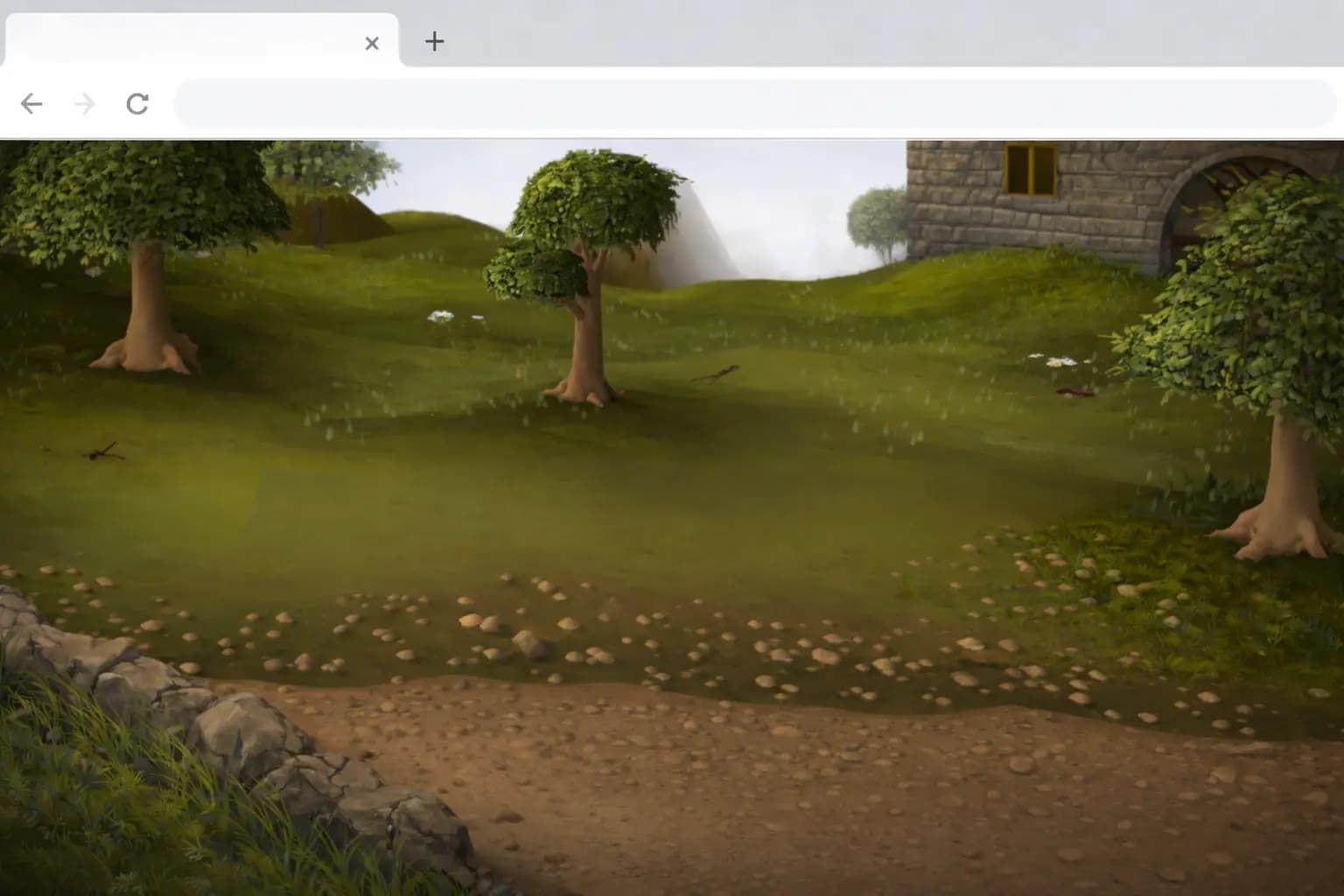
The original appeal of RSPS web clients
When RSPS web clients first appeared, they solved a real problem. Downloading a Java client was friction. It required trust, permissions, antivirus exceptions, and technical confidence. A web client promised instant play. Click a link, log in, and enter the world.
For server owners chasing growth, this was extremely attractive. Fewer steps meant higher conversion. New players could test a server without committing, which aligned perfectly with toplist traffic patterns and short attention spans.
At the time, web clients were seen as a natural evolution. If RuneScape itself could be played in a browser, many assumed RSPS could follow the same path.
Why early web clients struggled technically
The technical reality was harsher than the idea.
Early RSPS web clients relied on Java applets or heavy browser plugins. These approaches were fragile, slow, and increasingly blocked by browsers for security reasons. As browser vendors tightened sandboxing rules, the maintenance cost of keeping a web client functional increased dramatically.
Performance was another issue. RSPS clients are tightly coupled to timing, rendering loops, and cache access. Browsers introduced latency, inconsistent performance, and input lag that players immediately noticed. PvP felt worse. Movement felt delayed. The experience was clearly inferior to native clients.
For a community that already tolerated instability, adding another unreliable layer did not help.
Security concerns quietly killed adoption
Beyond performance, trust became a major problem.
Web clients required players to enter credentials directly into a browser environment controlled by a private server. This raised obvious concerns about keylogging, session hijacking, and credential reuse. Even when servers were legitimate, perception mattered more than intent.
At the same time, browser security models made it difficult to protect proprietary client logic. Decompiled Java clients were already common. Web clients made reverse engineering even easier, which accelerated cheat development and botting.
For many owners, web clients increased exposure without delivering proportional benefits.
The business incentive slowly disappeared
As monetization models evolved, the advantage of web clients diminished.
Most RSPS revenue comes from committed players, not drive-by visitors. Donations, cosmetic purchases, and long-term engagement depend on trust and habit. Players willing to spend were already comfortable downloading clients.
Web clients brought volume, but volume did not convert well. Many players treated web access as a demo, not a commitment. They logged in briefly, tested mechanics, then left without integrating into the community.
Over time, owners realized that optimizing for retention mattered more than optimizing for first click access.
Why web clients vanished almost completely
By the mid to late RSPS era, several forces aligned:
Browser support for legacy technologies vanished
Security scrutiny increased
Maintenance costs rose
Player expectations increased
Native launchers improved significantly
The result was quiet abandonment. Web clients did not fail dramatically. They simply stopped being worth the effort. Most servers removed them, stopped updating them, or left broken versions online that slowly fell into disuse.
The RSPS scene moved on without formally declaring web clients dead.
Why modern web clients look different
The recent reemergence of RSPS web clients does not resemble the old attempts.
New projects are not trying to embed the classic client inside a browser. Instead, they are rebuilding clients from the ground up using modern web technologies. TypeScript, WebGL, and structured networking layers now make things possible that were unrealistic a decade ago.
These clients are smaller, cleaner, and purpose-built. They often sacrifice full feature parity in exchange for stability and clarity. Instead of cloning the entire client, they focus on core gameplay loops and expand gradually.
This changes the tradeoff entirely.
TypeScript and modern tooling changed the equation
TypeScript has become a key enabler for these new experiments.
Strong typing reduces runtime errors. Tooling improves iteration speed. Integration with modern build pipelines makes testing and deployment more predictable. WebGL allows rendering pipelines that are no longer laughably inferior to native clients.
Equally important, browser security models have improved in ways that help rather than hurt. Sandboxing, secure storage, and modern authentication flows reduce some of the risks that plagued early web clients.
This does not make web clients easy, but it makes them feasible.
Why only small teams are attempting it
Despite the progress, web clients remain rare, and for good reason.
Building a modern RSPS web client requires deep knowledge across multiple domains: rendering, networking, protocol handling, performance optimization, and security. This is beyond the reach of most hobby teams.
Small, focused projects with strong technical leadership are the only ones experimenting successfully. They accept limitations, move slowly, and treat the client as a product rather than a novelty.
Large established servers often avoid this path because the risk to stability and reputation is still high.
The future role of web clients in RSPS
Web clients are unlikely to replace native launchers entirely.
What they may become instead is a controlled entry point. A way to explore. A way to spectate. A way to onboard cautiously without demanding full trust upfront. In that role, they make sense again.
The key difference from the past is intention. Modern attempts are not chasing hype. They are solving specific problems with constrained scope.
That is why they are quiet. And that is why they may last.
What web clients reveal about RSPS maturity
The rise, fall, and partial return of web clients mirrors the evolution of the RSPS scene itself.
Early optimism gave way to operational reality. Hype yielded to hard lessons. Now, only ideas grounded in discipline and realism survive.
Web clients did not disappear because the idea was bad. They disappeared because the ecosystem was not ready. Some parts of it finally are.
Whether they become mainstream again is uncertain. What is certain is that the next generation of RSPS web clients will look nothing like the first.
Find Your Next Server
Looking for a new RSPS to play? Browse our RSPS List to discover the best private servers, compare features, and find the perfect community for your playstyle.
More Articles You Might Enjoy
 RSPS
RSPSWhy RSPS Content Ages Faster Than It Should
RSPS content becomes stale unusually fast. This deep analysis explains why new content loses impact quickly across most RSPS servers.
January 16, 2026