RuneScape vs OSRS Graphics: What’s Actually Better
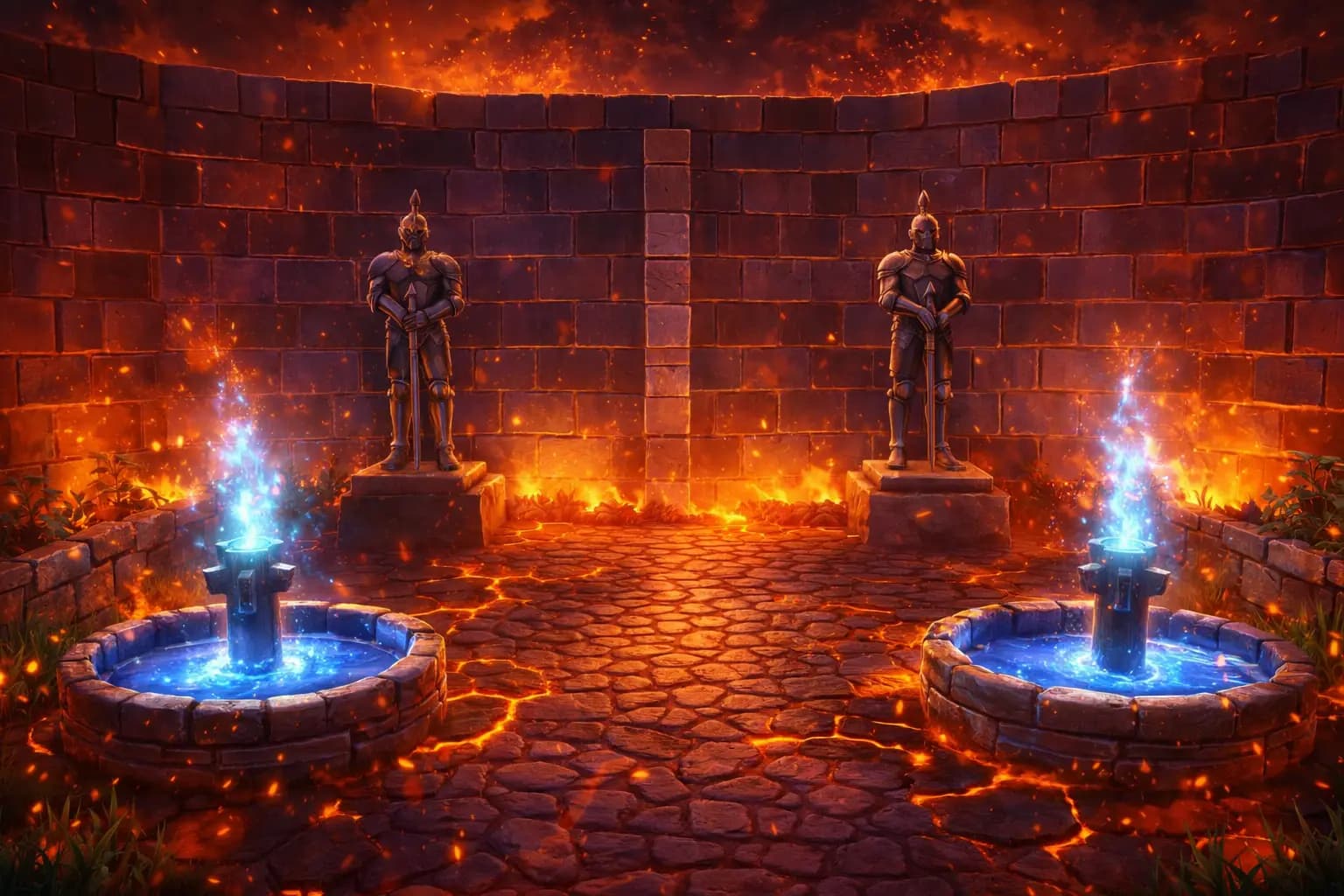
RS3 and OSRS are not trying to look like the same game
RuneScape (often meaning RS3) and Old School RuneScape (OSRS) share DNA, but their visuals are built around different goals. RS3 aims for modern presentation with higher detail, stronger lighting, and more cinematic effects. OSRS aims for clarity, speed, and a deliberately retro look that supports tick-based gameplay and instant readability.
If you judge them using the same standard, you will usually miss why each one works for its own audience.
Art direction and “feel” are the real difference
RS3 graphics are driven by modern MMO expectations: richer materials, smoother silhouettes, higher texture detail, and environments that try to feel atmospheric. Even when you do not care about fidelity, the world is designed to feel more “alive” through lighting, particles, and animation polish.
OSRS graphics are driven by a strong style constraint: low poly shapes, simple materials, and a consistent visual language that makes everything immediately recognizable. The game is intentionally stylized in a way that keeps the world readable even when the screen is busy.
That is why people argue about “better”. They are often arguing about taste and feel, not technical quality.
Readability in combat and skilling
OSRS wins hard on readability. The simplified visuals make it easier to parse what is happening during high-intensity situations: PvP stacks, boss mechanics, prayer switches, movement, and tile-based positioning. The world is easier to scan, and the player quickly learns what matters.
RS3 can look more impressive, but the extra detail and effects can make the screen feel noisier, especially in crowded areas or effect-heavy encounters. RS3 solves this partly through UI options and effect toggles, but visually it still leans toward spectacle.
So if you value “information first”, OSRS has the advantage. If you value “presentation first”, RS3 has the advantage.
Lighting, shaders, and visual effects
RS3 uses more advanced lighting and rendering techniques, which creates stronger depth, reflections, and mood. Areas can look genuinely dramatic, and gear can feel more premium because the game has more tools to sell materials like metal, cloth, or magical glow.
OSRS uses much simpler lighting and shading, which keeps everything flat and clear. The upside is consistency and performance. The downside is that it will never look “cinematic” in the way modern engines can.
A lot of players do not realize how much lighting changes perception. Two models with similar geometry can feel completely different depending on how light, shadow, and post-processing are handled.
Character models and animations
RS3 generally has smoother animations and more detailed character models. Movement, spellcasting, and gear often look more fluid. This matters for immersion and for players who want their character to feel like a modern RPG avatar.
OSRS animations are simpler and sometimes stiff by modern standards, but that stiffness contributes to the iconic look and predictable visual timing. It also keeps the game legible, because animations do not blend in complex ways that can hide what is happening.
If you play for long sessions, you may prefer whichever one causes less visual fatigue. For some players that is RS3’s smoother feel, for others that is OSRS’s simplicity.
World detail and environmental storytelling
RS3 tends to include more environmental detail and layered scenery, which can make exploration feel richer. It supports the idea of the world as a place, not just a map.
OSRS environments are simpler, but that simplicity supports nostalgia and makes the world feel like a game board you can quickly navigate. That is a big reason OSRS players often say the world feels “clean” and “honest”.
Both approaches can be good. One is about atmosphere, the other is about clarity and identity.
Customization, plugins, and what players actually see
In practice, many OSRS players use plugins that dramatically change the visual experience: draw distance changes, GPU rendering improvements, anti-aliasing, UI refinements, and tile markers. This does not turn OSRS into RS3, but it can make OSRS sharper and more comfortable without losing the core style.
RS3 players also have graphics settings, but the aesthetic direction stays modern. The main difference is that OSRS can be “classic by default, enhanced by choice” for many players.
So the real comparison is not always default-to-default. It is often “OSRS with modern quality-of-life rendering” vs “RS3 as a modern presentation package.”
Performance, device support, and long session comfort
OSRS generally runs well on a wider range of machines and stays stable in more situations. That matters for players who multitask, run multiple clients, or play on lower-end hardware.
RS3 can be heavier depending on settings, area complexity, and effects. When RS3 looks great, you usually pay for it with higher requirements.
For many players, performance is part of graphics. Smoothness often feels better than detail.
Which one is “better” depends on what you value
If you want atmosphere, modern lighting, and a more contemporary MMO presentation, RS3 graphics will usually feel better.
If you want clarity, iconic style, easy readability, and visuals that support high-skill gameplay without clutter, OSRS graphics will usually feel better.
The honest answer is that RS3 is closer to modern visual fidelity, while OSRS is closer to timeless visual identity. The best choice is the one that matches the way you play and what you want your screen to feel like for hundreds of hours.
Find Your Next Server
Looking for a new RSPS to play? Browse our RSPS List to discover the best private servers, compare features, and find the perfect community for your playstyle.
More Articles You Might Enjoy
 RSPS
RSPSAre RSPS Servers Better Off Staying Small
Small RSPS servers often outperform large ones in stability, community quality, and longevity. This article explores why smaller servers can thrive.
December 30, 2025