Why RSPS Is Addictive
Why RuneScape Private Servers Are Addictive
RuneScape private servers have a unique way of keeping players engaged for long periods of time. Many players log in for a quick session and end up staying much longer than expected. This is not accidental. RSPS are designed in a way that delivers fast rewards, constant progression and a strong sense of activity.
Fast Progression Keeps Players Hooked
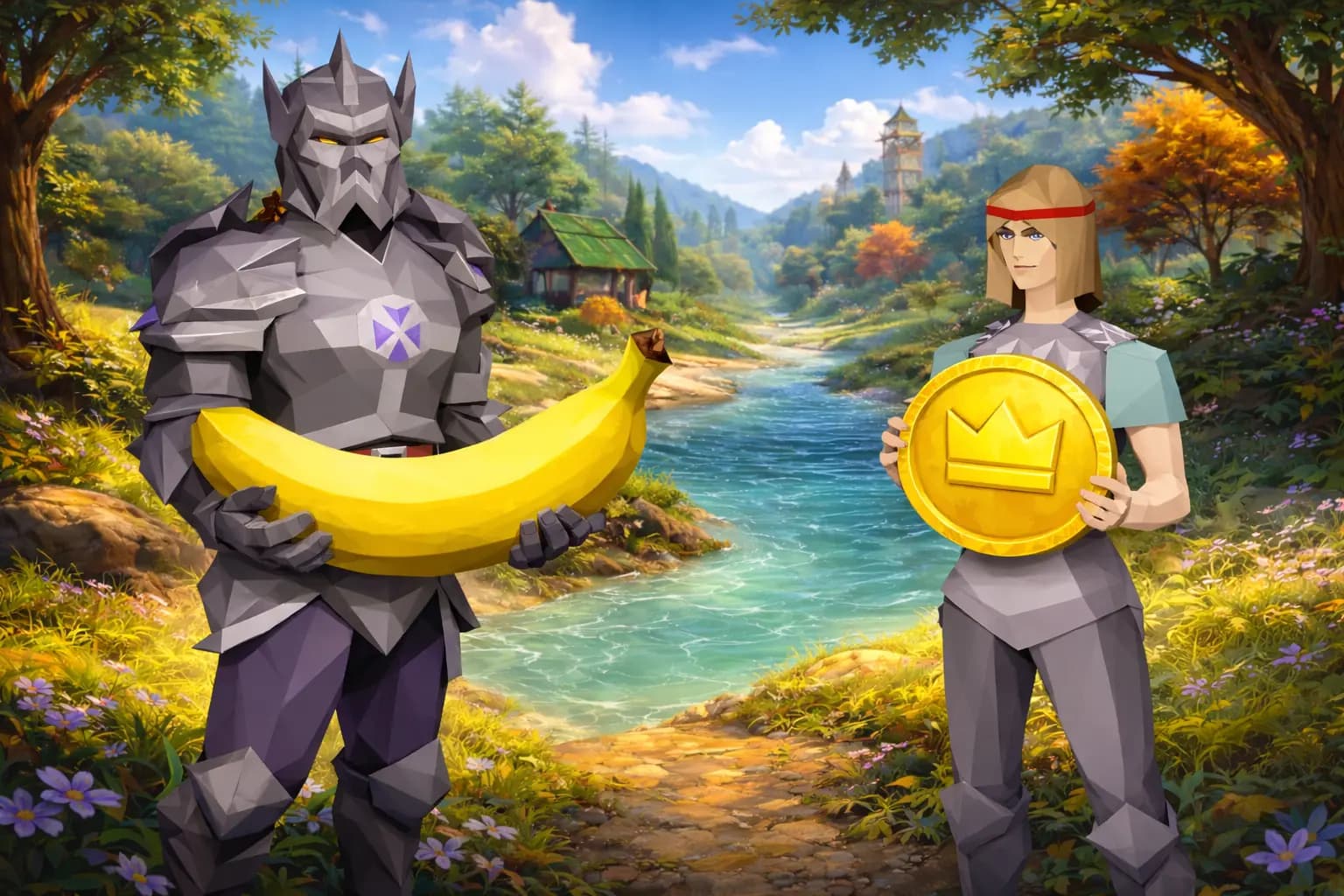
One of the biggest reasons RSPS feels addictive is the speed of progression. Compared to the official game, private servers often offer increased experience rates, easier access to items and faster unlocks.
This creates a steady flow of rewards. Players are constantly gaining levels, unlocking content or improving their gear. The feeling of progress comes quickly, which keeps players motivated to continue playing.
Constant Rewards and Feedback
RSPS environments are built around frequent rewards. Whether it is drops, achievements, upgrades or daily systems, players are rarely left without something to work toward.
This constant feedback loop makes every session feel productive. Even short gameplay sessions can result in noticeable progress, which encourages players to return regularly.
PvP and Competition
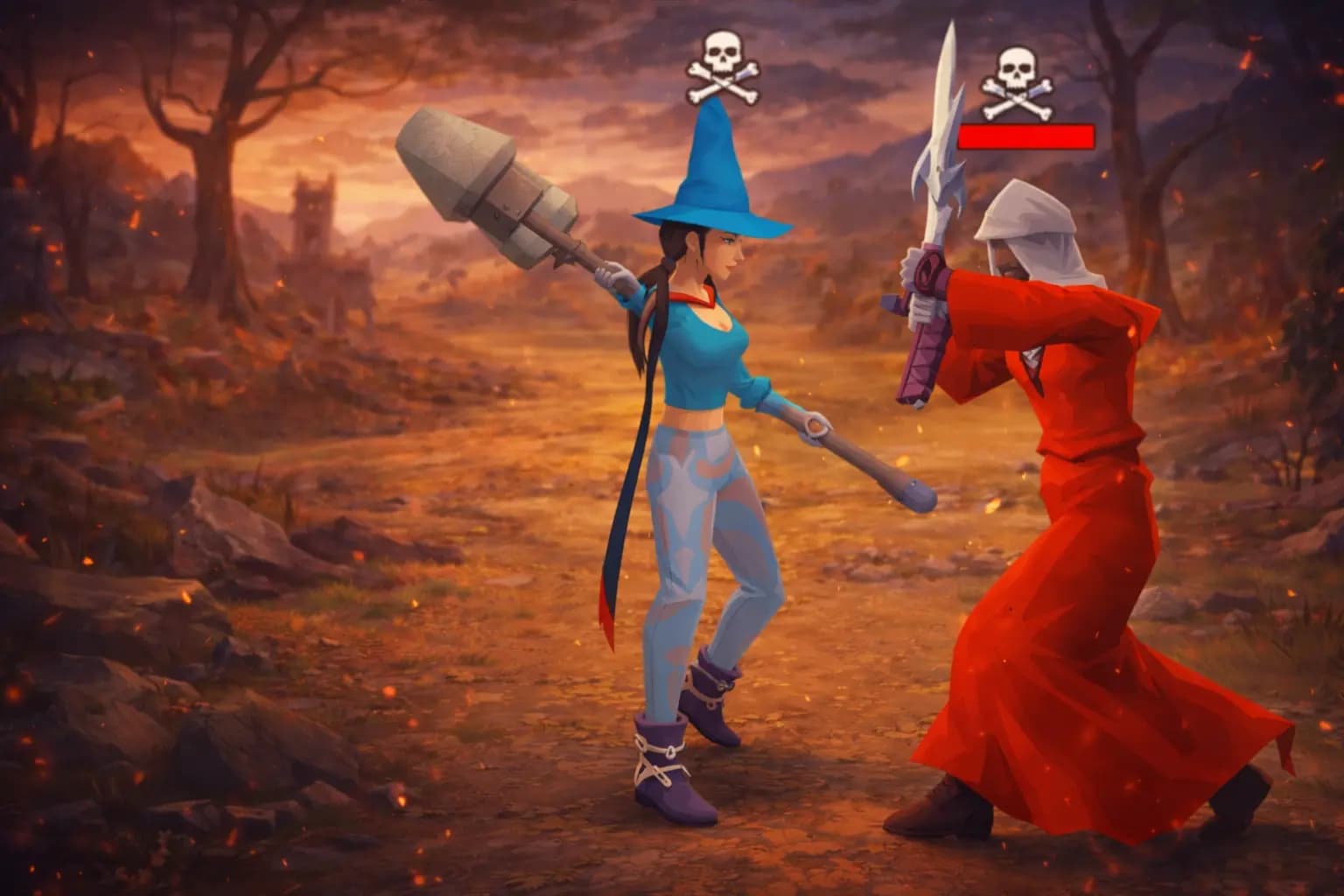
Player versus player content is a major factor in RSPS addiction. Many servers focus heavily on PvP, offering fast fights, ranking systems and competitive rewards.
The ability to quickly regear and return to combat creates a fast cycle of action. Players can jump into fights repeatedly without long preparation, which keeps gameplay intense and engaging.
Custom Content and Variety
Private servers often introduce custom features, items and mechanics that are not available in the original game. This adds variety and keeps the experience fresh.
Players are constantly discovering new systems, events or areas. This sense of exploration combined with faster progression makes it difficult to stop playing.
Active Communities and Social Interaction
RSPS communities play a large role in keeping players engaged. Active chat, clans and Discord servers create a social environment where players feel connected.
Being part of a community increases retention. Players are more likely to stay active when they have friends, rivals or group activities to participate in.
Low Commitment Barrier
Another reason RSPS is addictive is the low barrier to entry. Players can join quickly, progress fast and start enjoying content without long preparation.
This makes it easy to log in for short sessions, which often turn into longer ones. The accessibility removes friction and encourages frequent play.
Final Thoughts
RSPS is addictive because it combines fast progression, constant rewards and active communities into a single experience. Every session feels meaningful, and players are always working toward something.
This combination of design choices creates a loop where players are continuously rewarded, making it easy to keep coming back and difficult to stop playing.
Find Your Next Server
Looking for a new RSPS to play? Browse our RSPS List to discover the best private servers, compare features, and find the perfect community for your playstyle.
More Articles You Might Enjoy
 RSPS
RSPSHow Gambling Mechanics Slowly Destroy RSPS Communities
Gambling features damage RSPS servers by distorting motivation, trust, and social dynamics. This article explains why gambling undermines long term stability.
January 12, 2026