Why RSPS Servers Feel Dead Even With Online Players
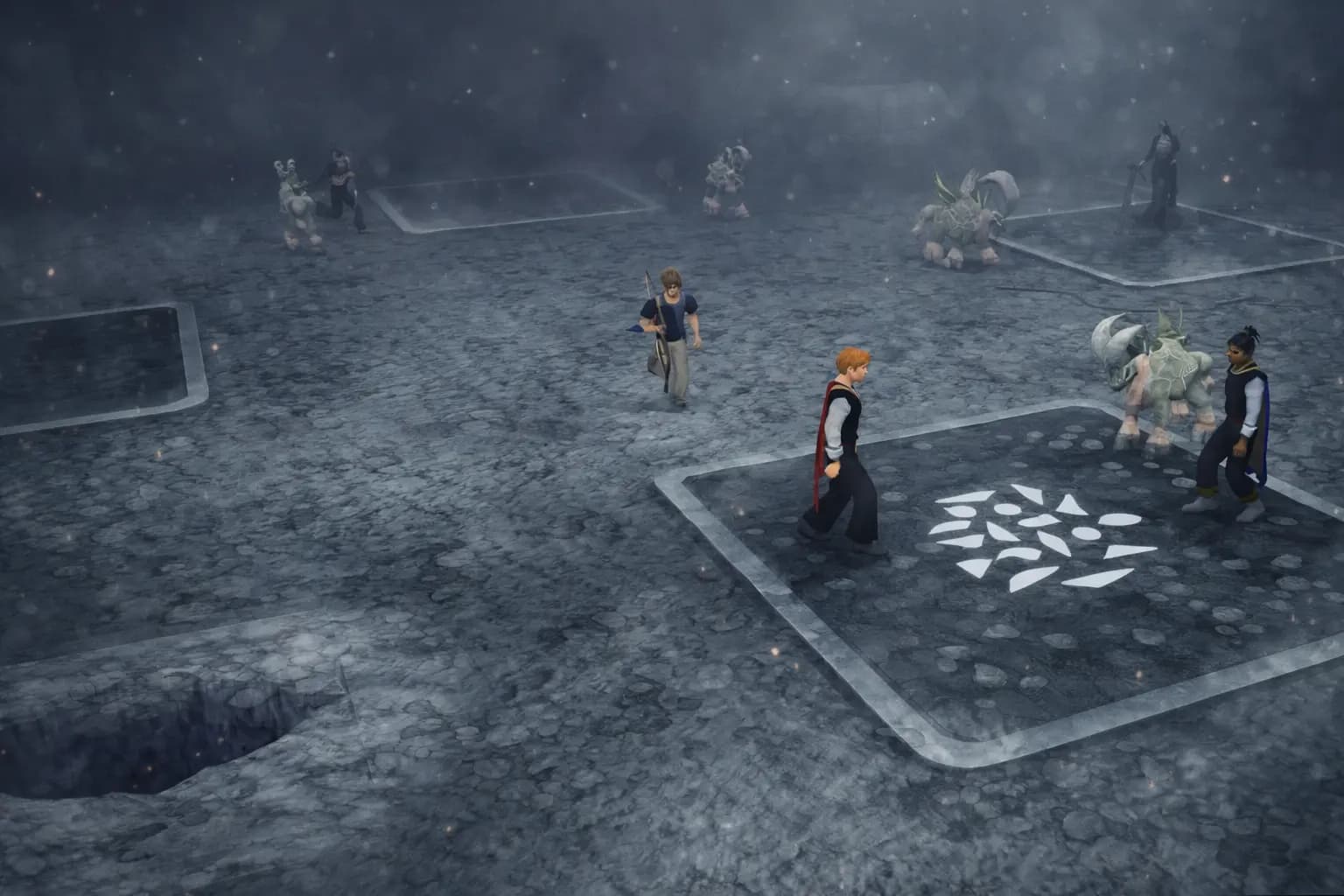
Activity Does Not Equal Life
Many RSPS servers display healthy online numbers.
Dozens or even hundreds of players appear online, yet the server feels empty. Public chat is quiet. Areas feel abandoned. Interaction is minimal.
This disconnect is not imaginary. It is a structural issue that affects many RSPS projects.
Online Player Counts Can Be Misleading
Player presence is not the same as player engagement.
Being logged in does not mean a player is:
-
Actively playing
-
Progressing
-
Socializing
-
Emotionally invested
Servers often confuse concurrency with vitality, leading to false confidence about health.
Idle Behavior Masks Engagement Decline
As servers mature, idle time increases.
Players log in to:
-
Check updates
-
Idle while doing something else
-
Stay visible without interacting
-
Maintain habits without motivation
This creates the illusion of activity while actual engagement collapses beneath the surface.
Fragmented Playerbases Kill Atmosphere
RSPS servers often split players across too many locations.
Instances, private zones, isolated training areas, and scattered content reduce shared experience. Even active players rarely see each other.
Without shared spaces, community presence disappears.
Social Friction Quietly Pushes Players Apart
Minor social issues compound over time.
Unaddressed toxicity, favoritism, cliques, or inconsistent moderation discourage participation. Players stop talking first, then stop engaging entirely.
Silence spreads faster than conflict.
Chat Volume Is a Leading Indicator
Healthy servers have background noise.
Casual conversation, jokes, questions, and spontaneous interaction indicate comfort. When chat becomes strictly transactional, community life is already fading.
Once silence normalizes, revival is difficult.
Efficiency-Oriented Design Reduces Interaction
Many RSPS designs optimize efficiency.
Fast teleporting, private instances, and solo progression reduce the need to interact. Players achieve goals without cooperation or communication.
Efficiency removes friction, but friction creates interaction.
High-Level Players Become Invisible
Veteran players often isolate themselves.
They retreat into optimized loops, private clans, or endgame content with minimal visibility. Newer players never see role models engaging publicly.
This erodes aspirational motivation.
Events Cannot Fix Daily Emptiness
Events spike activity temporarily.
But once events end, the underlying emptiness returns. If daily gameplay lacks shared interaction, events become artificial lifelines rather than community builders.
Sustainable life comes from everyday systems, not scheduled boosts.
Why Players Stop Initiating Interaction
Players adapt to silence.
After unanswered messages or ignored attempts, players stop initiating. Over time, everyone waits for someone else to speak.
This creates a feedback loop where silence sustains itself.
The Difference Between Busy and Alive Servers
Busy servers have numbers.
Alive servers have:
-
Conversation
-
Recognition
-
Shared moments
-
Public presence
Life is visible, not calculated.
How Servers That Feel Alive Are Designed
Servers that feel alive focus on:
-
Centralized social hubs
-
Public progression milestones
-
Visible achievements
-
Shared inconvenience
-
Slow, natural pacing
They sacrifice efficiency for presence.
Final Thoughts on Dead-Feeling RSPS Servers
Servers do not feel dead because players leave.
They feel dead because players stop connecting.
Engagement fades long before player counts drop. By the time numbers fall, the atmosphere has already collapsed.
Understanding this difference is critical for building RSPS servers that truly feel alive.
Find Your Next Server
Looking for a new RSPS to play? Browse our RSPS List to discover the best private servers, compare features, and find the perfect community for your playstyle.
More Articles You Might Enjoy
 RSPS
RSPSRWT in RSPS Explained and Why Some Servers Allow It
RWT is common in RSPS, yet some large servers quietly allow it. Learn how it works, why it happens, and the risks it creates for trust and stability.
January 23, 2026